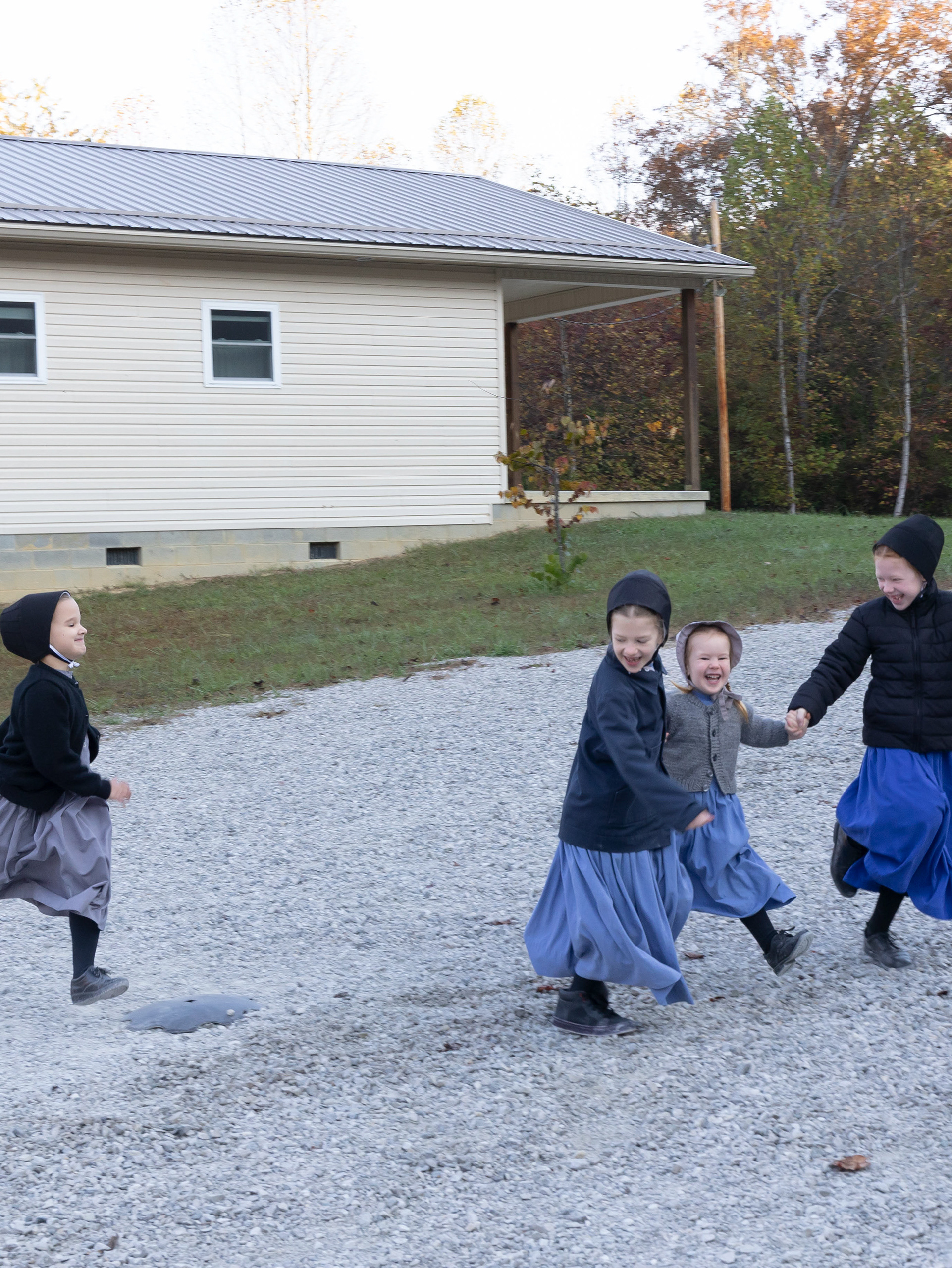

Ben Hutchison is 30-years-old with Bohring Opitz. He is under the full-time care of his parents, who are retired. Ben’s parents adhere to Ben’s needs every day.

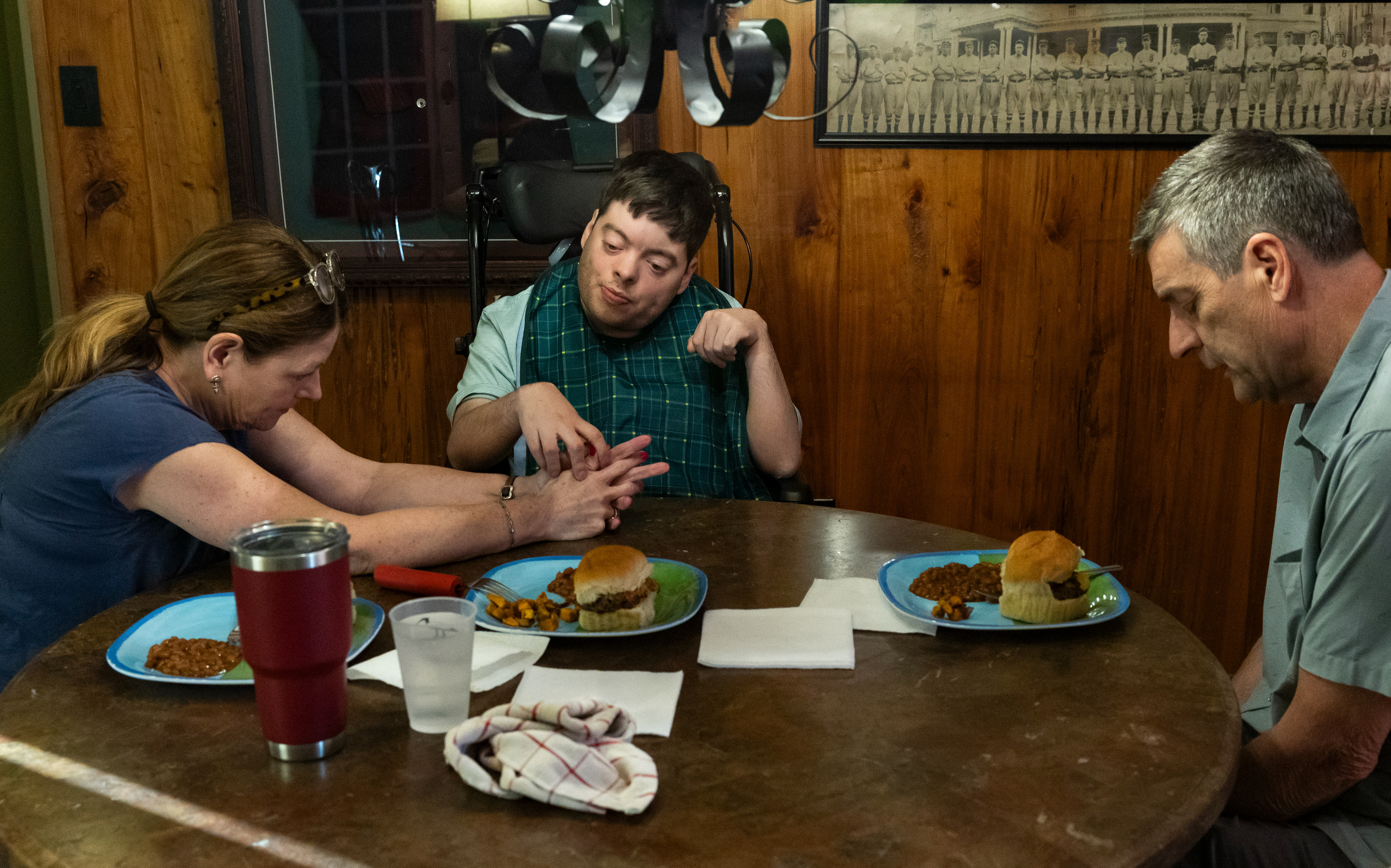
Leisa, Ben, and David say a prayer before their meal each night. Leisa said typically they don’t eat dinner until very late, after 8 p.m., because they spend a lot of time at Spencer’s coffee shop in the evenings.
Ben Hutchison cannot go through life alone. Ben is 30-years-old and has Bohring-Opitz syndrome. Bohring-Opitz is a genetic disorder that was identified after Ben was born. The disorder can cause symptoms like intellectual disability, developmental delay, seizures, vision issues, facial differences, and slow physical growth, according to MedlinePlus.
Ben starts every day with help from his parents, Leisa and David Hutchison. Due to seizures in his life, Ben can’t stand or sit up straight without a wheelchair. He needs help getting dressed, eating, getting buckled in the car, moving his wheelchair and more.
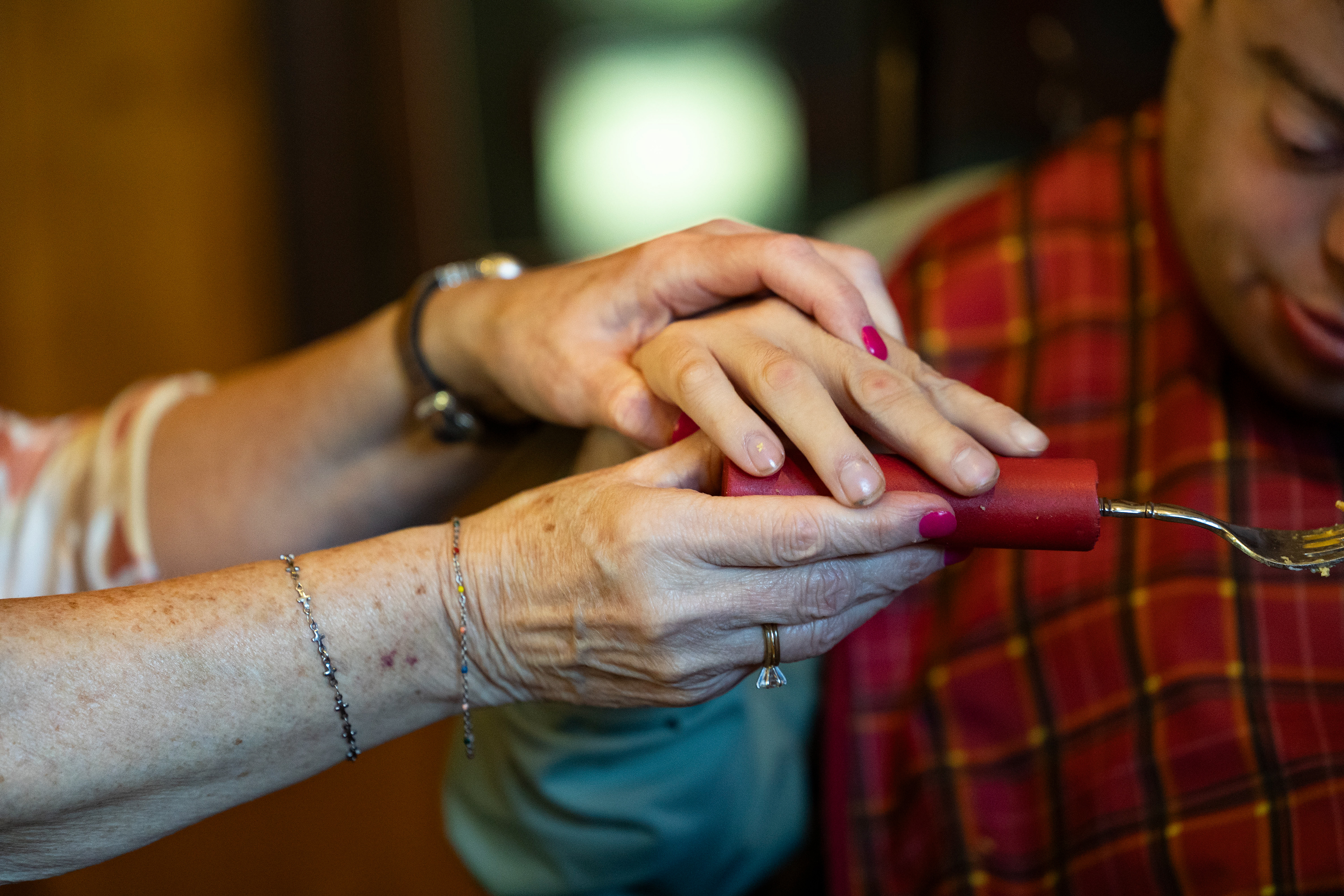
Leisa tries to get Ben to feed himself using a red foam to help him grip the fork. Ben would pick up the fork and then toss it toward her. Leisa said Ben could do it himself, but chooses not to. Leisa said that sometimes he gets embarrassed eating in front of other people and having other people feed him. “He’s aware that they’re his age, and I (Ben) don’t want you to do this for me, but he can’t do it efficiently himself,” Leisa said.
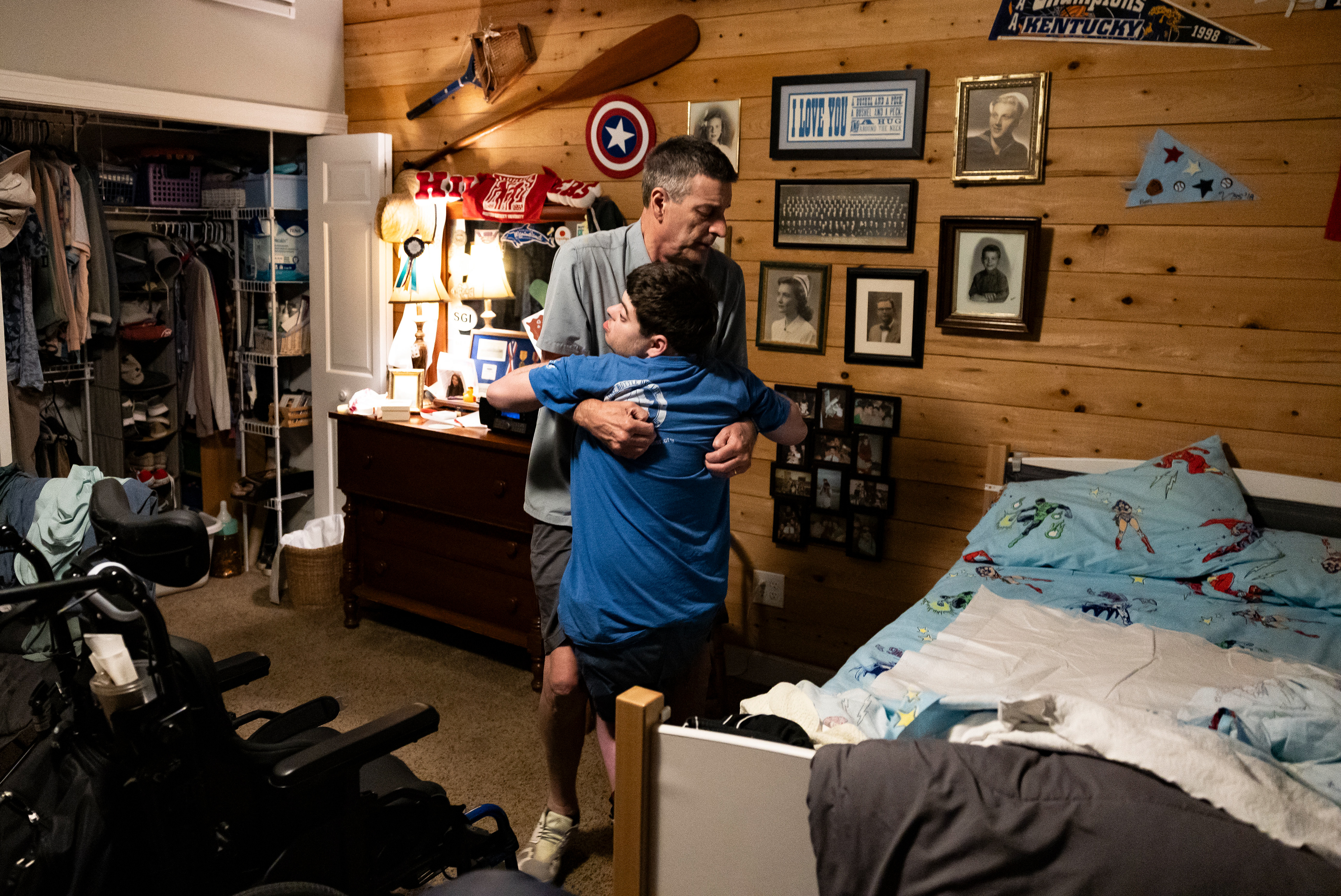
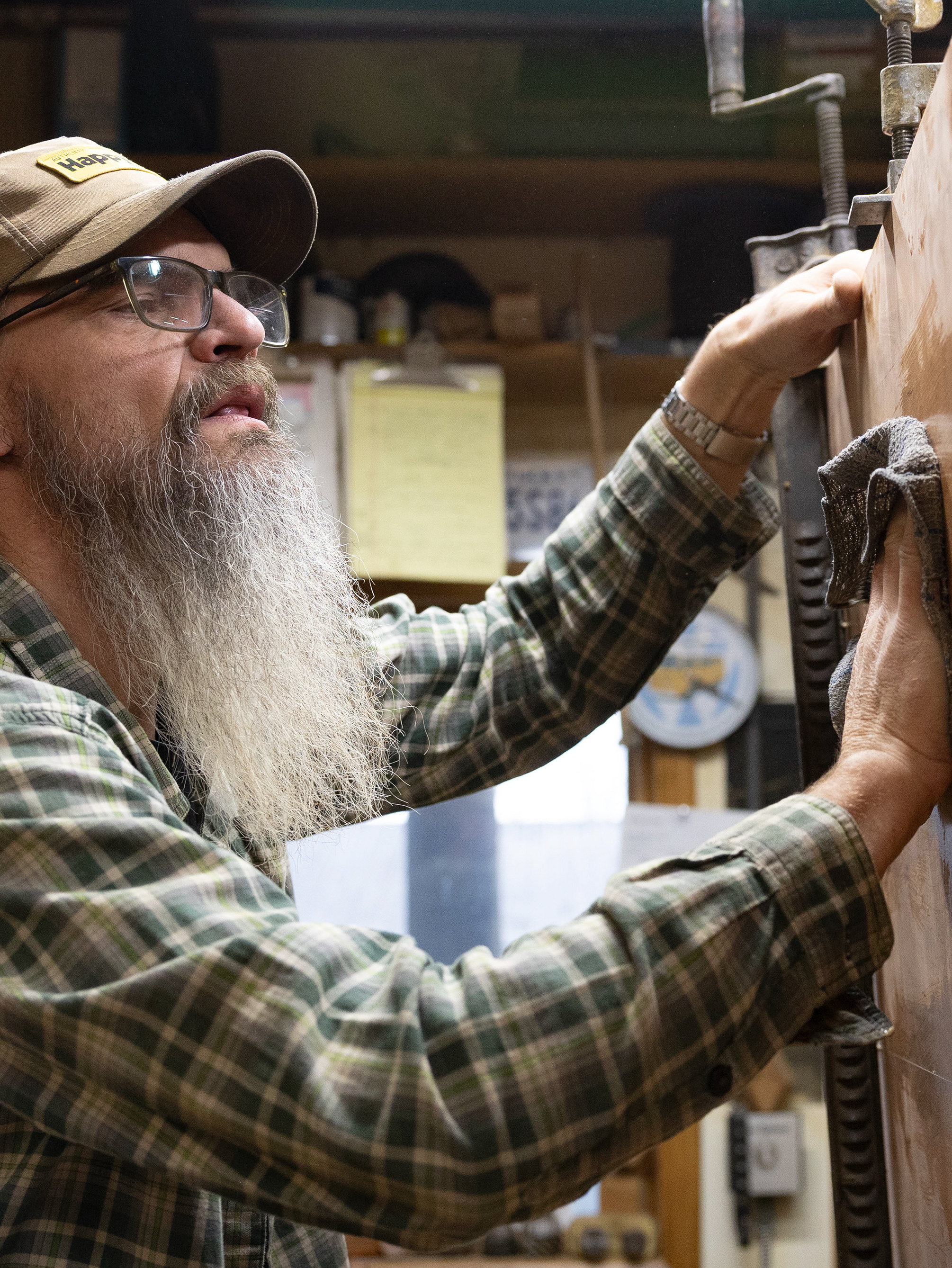
David has to lift Ben out of his wheelchair every night to bed. David said that while he can use the lift they installed above his bed, carrying him is quicker. “You start when he is a baby, and you just don’t stop,” David said. “Hopefully several more years.”
Leisa was a speech-language pathologist, and David was an assistant principal around the time Ben was born. They knew before Ben was born that Ben might have had a disability when he was in a breech position during pregnancy. After he was born, they discovered Ben had clubbed feet and different facial features than those of a regular boy. The doctor said they did not know what he had, but he recommended casts for his feet and surgery to help his feet grow out normally. Leisa and David left the doctor’s office worried and realized Ben would not live a life of normalcy.
They said the worry was only for a short while, and they immediately started to plan. They knew that they had to find ways for Ben to have lifetime care, therapies and to find ways for Ben to learn. Leisa said those thoughts came from their backgrounds as a therapist and an educator.
The diagnosis for Bohring Opitz is recent and they only figured out what Ben had five years ago. Ben had about 60 procedures in his life so far. David and Leisa said they do not know the life expectancy of Bohring Opitz because of the recent diagnosis.
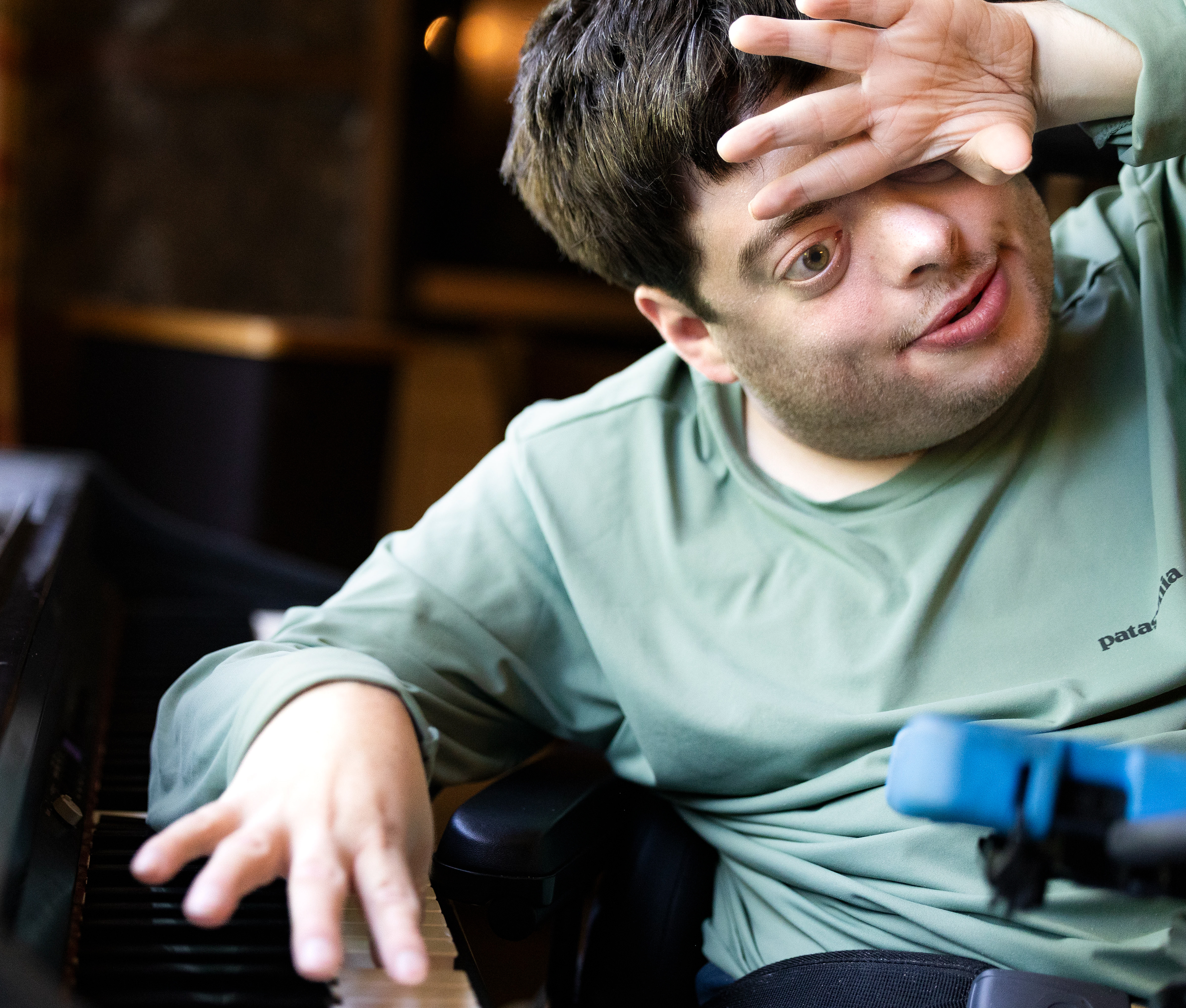
Ben loves to listen and make music. He tends to tap on walls and other surfaces to create music. Leisa said he covers one eye because it helps him see better. Leisa said there was a time when he was in a chair that didn’t have a seatbelt and broke his shin. “We have to watch him for safety,” Leisa said. “He would run right over steps or something because he doesn’t see that depth perception.”
Ben said through his iPad that one of his interests is music. Leisa said he loves anything musical, like Disney or concerts. One of his activities at home is tapping the keys on the piano or playing any video with music in it.
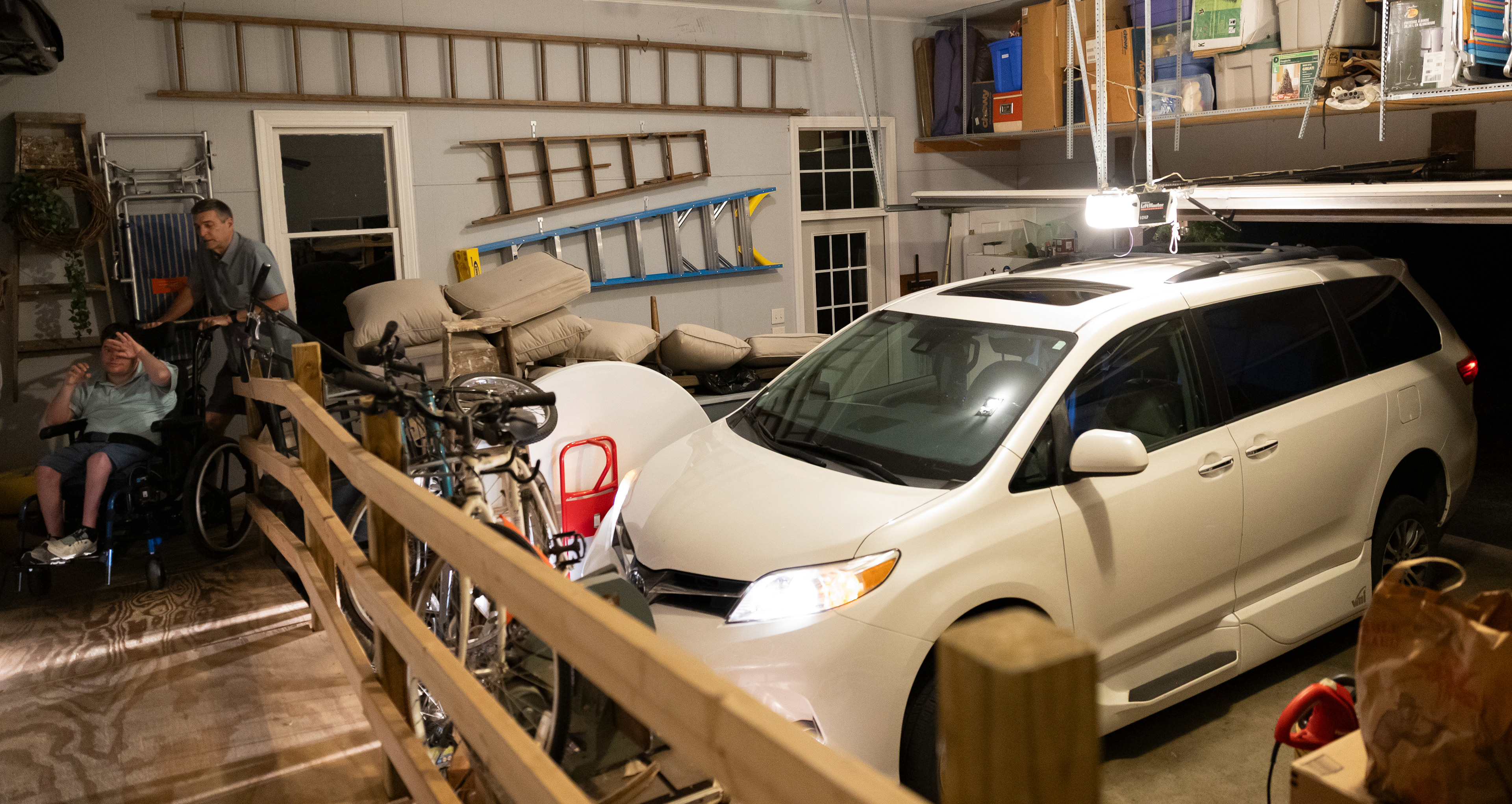
The Hutchisons built a ramp for Ben to take him in and out of the van. They said their home is not that far from downtown Bowling Green, which made it easier to travel to all their routine activities.
Leisa said he likes to be with other people and with other people his age. A common place they go to is Spencer’s downtown. He likes to observe what other people do when he’s out, and he gets more recognition in the community because of it.
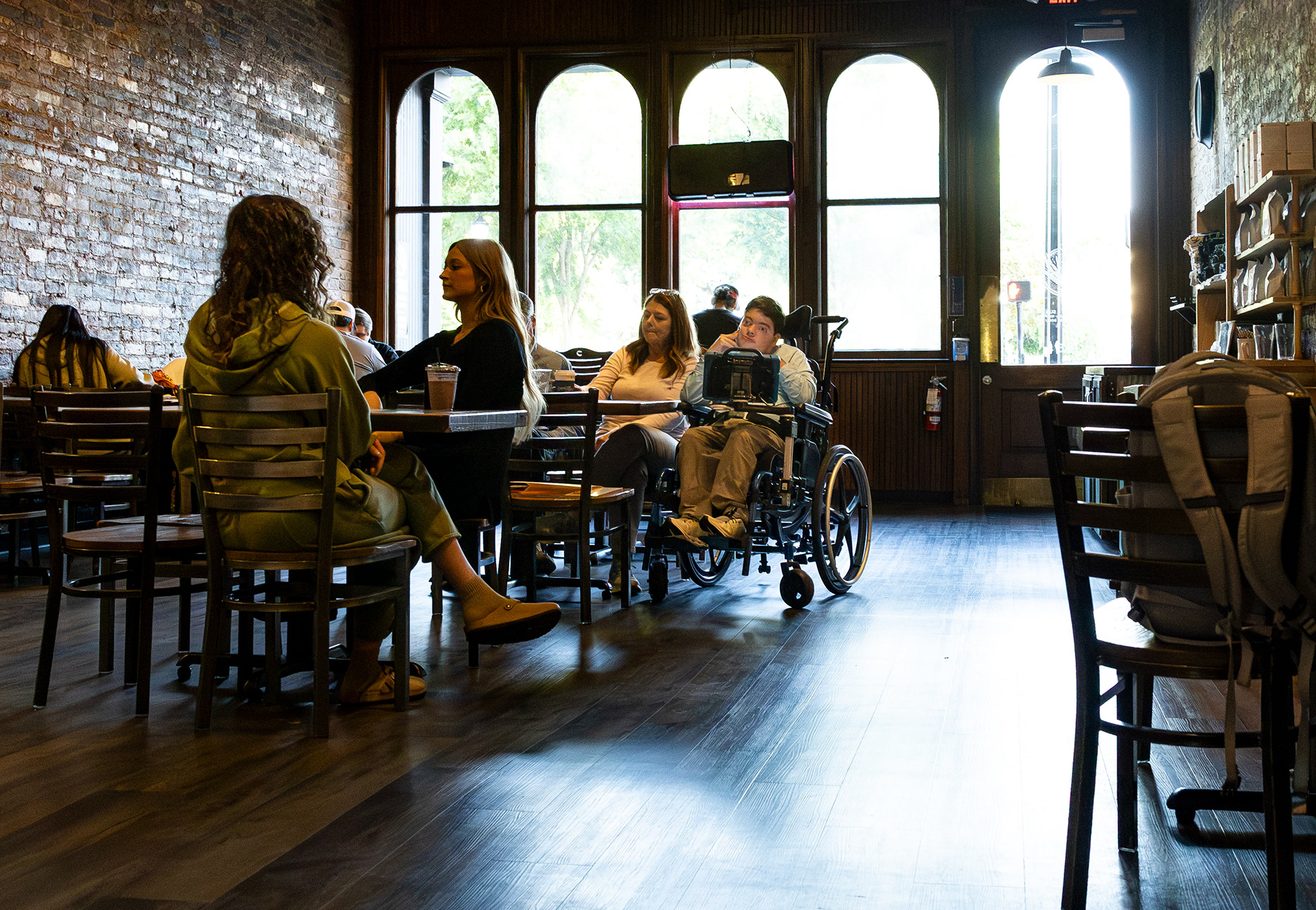
Ben likes to look and observe when he goes to coffee shops with David and Leisa. The Hutchisons go to Spencer’s every evening. David said sometimes they will sit by the bar so Ben can watch the baristas make the drinks.
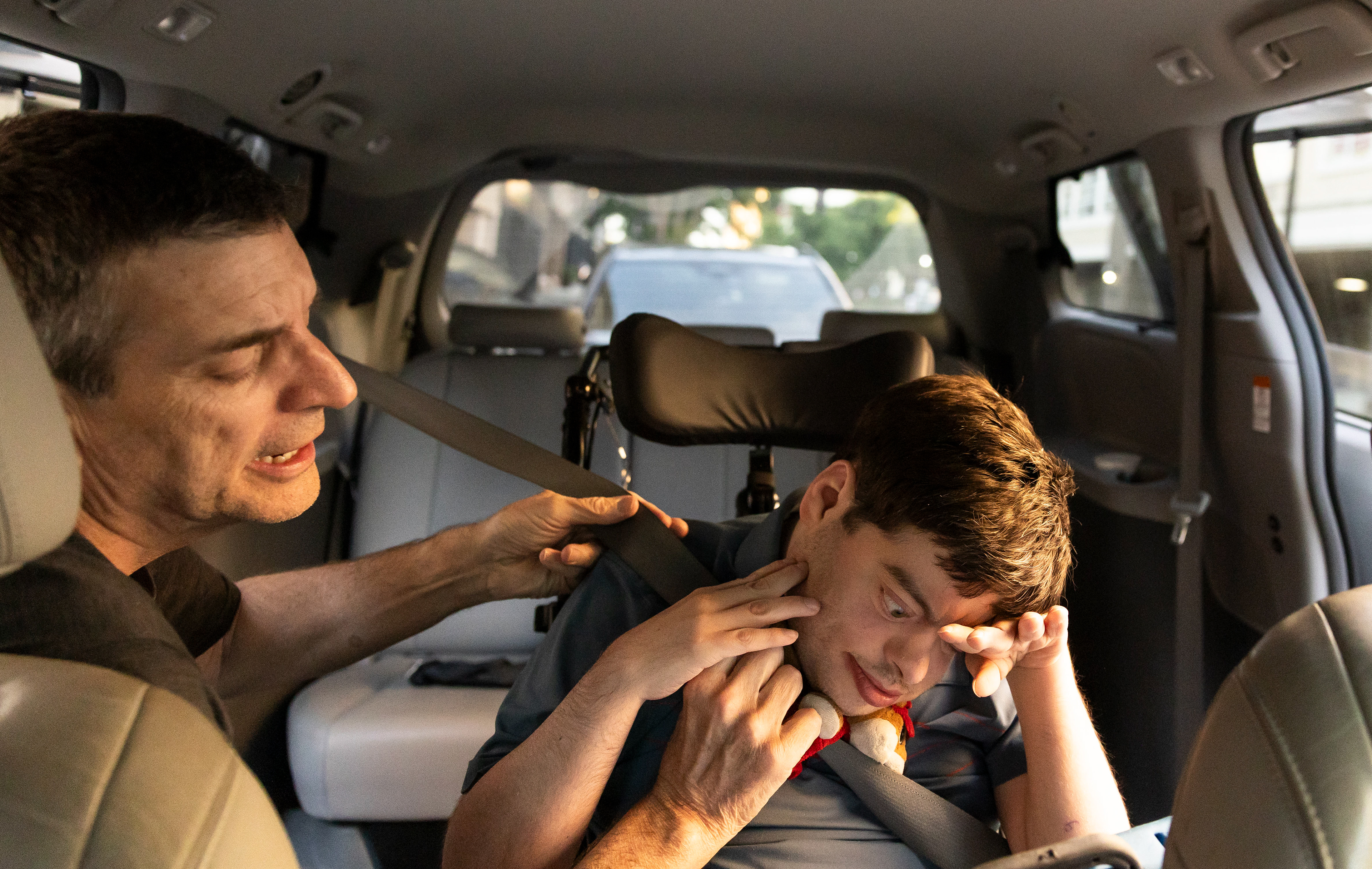
David and Ben finish a trip at Spencer’s to head home for dinner. The Hutchisons go for a trip to Spencer’s every day because Ben likes to visit places frequently. David has to fasten Ben’s wheels, the seatbelt and take off his iPad whenever he puts Ben in the car.
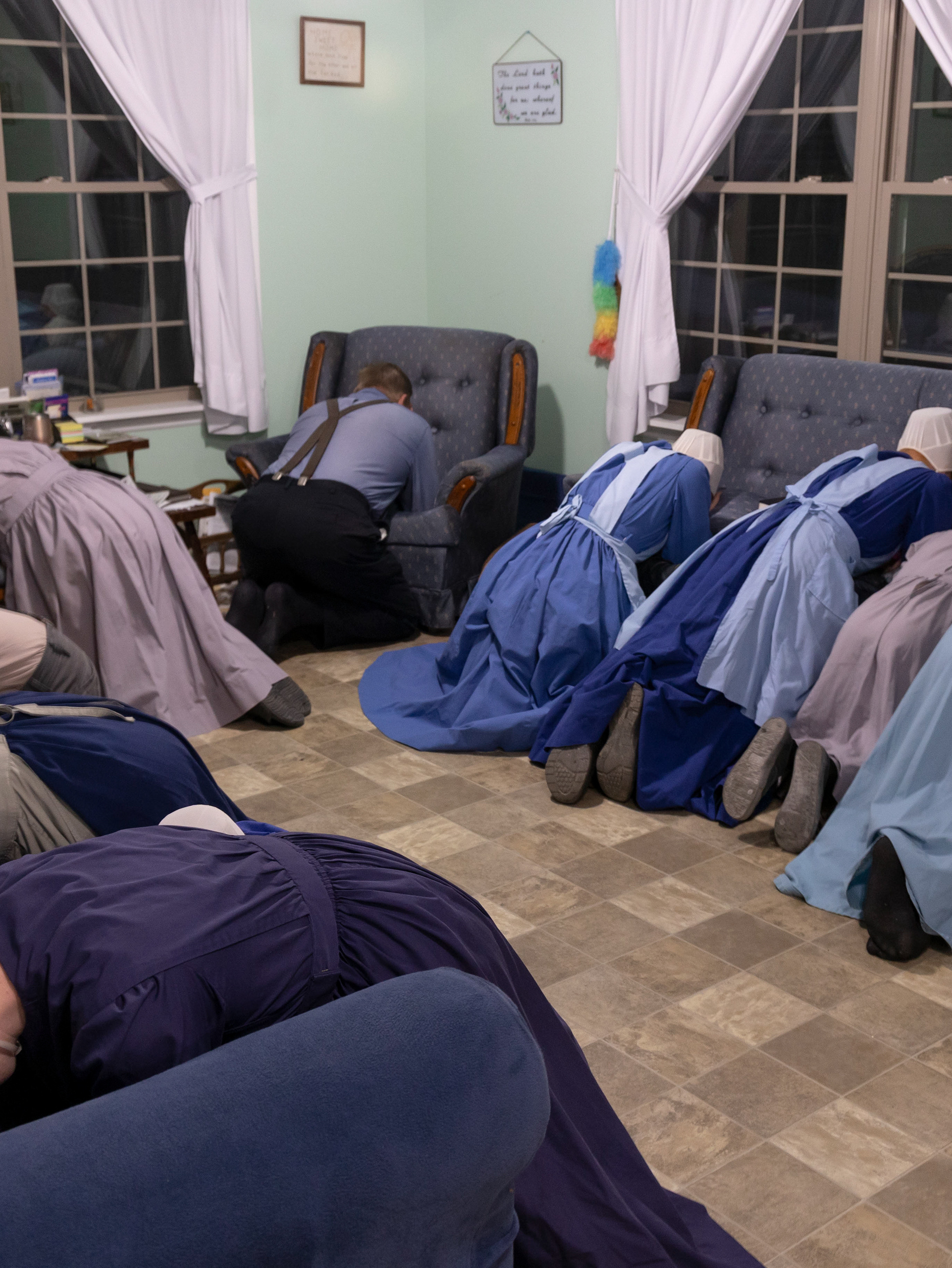
In addition to some daily activities, the Hutchisons attend Greenwood Park Church of Christ. They tend to sit toward the back of the sanctuary for Ben’s handicap seating. Leisa will sometimes be a part of the praise team.
Leisa said that Ben is interested in music when they go to church, but on weeks when they are out of routine, Ben can get uncomfortable in his wheelchair. He will throw his glasses off, move in his chair a lot and tap his iPad.
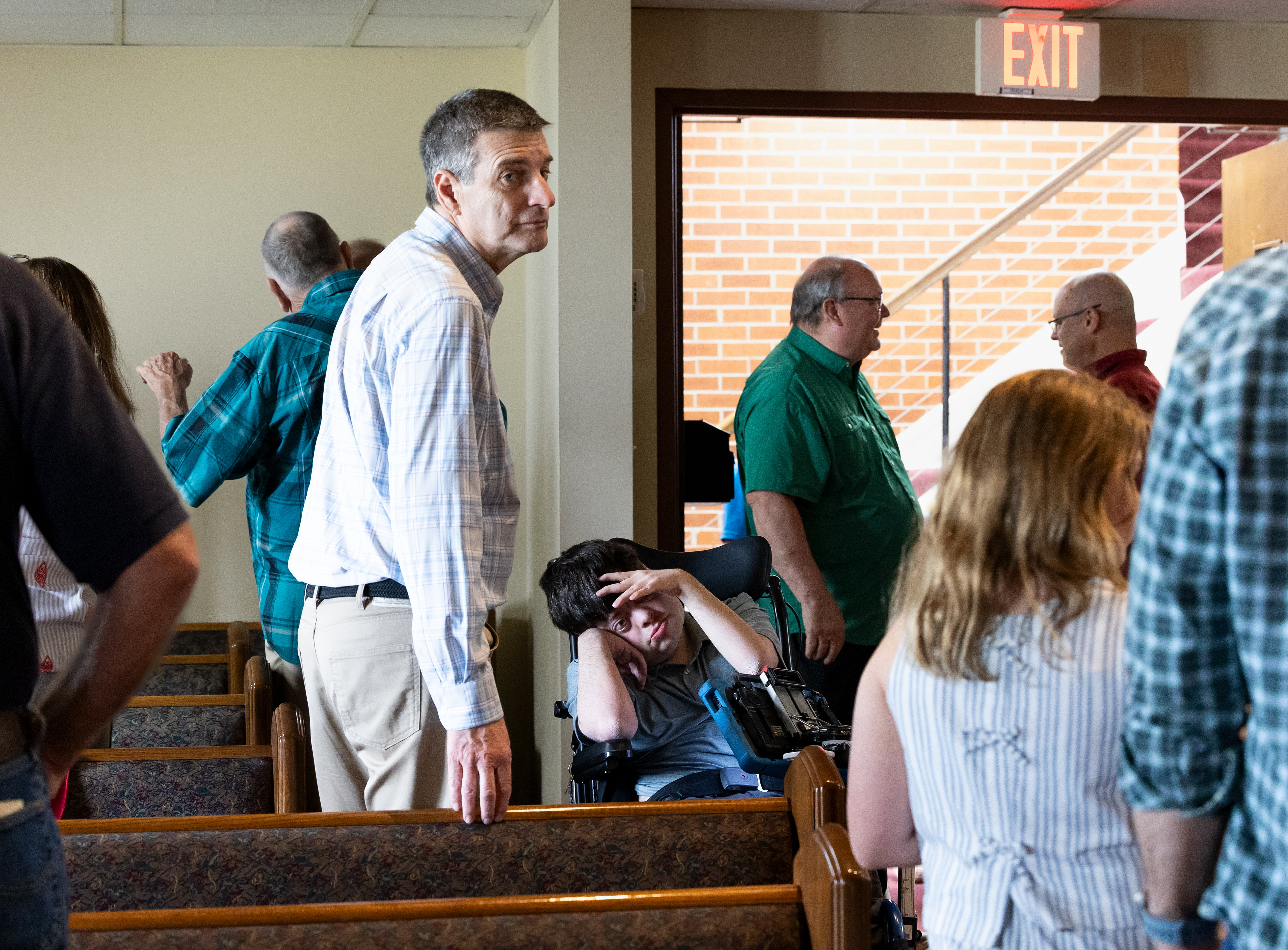
The Hutchisons sit toward the back of the sanctuary for handicap seating at Greenwood Park Church of Christ. Ben likes to look at his surroundings whenever he goes somewhere with his parents. David said it is hard for him to watch Ben miss the experiences others would normally have.
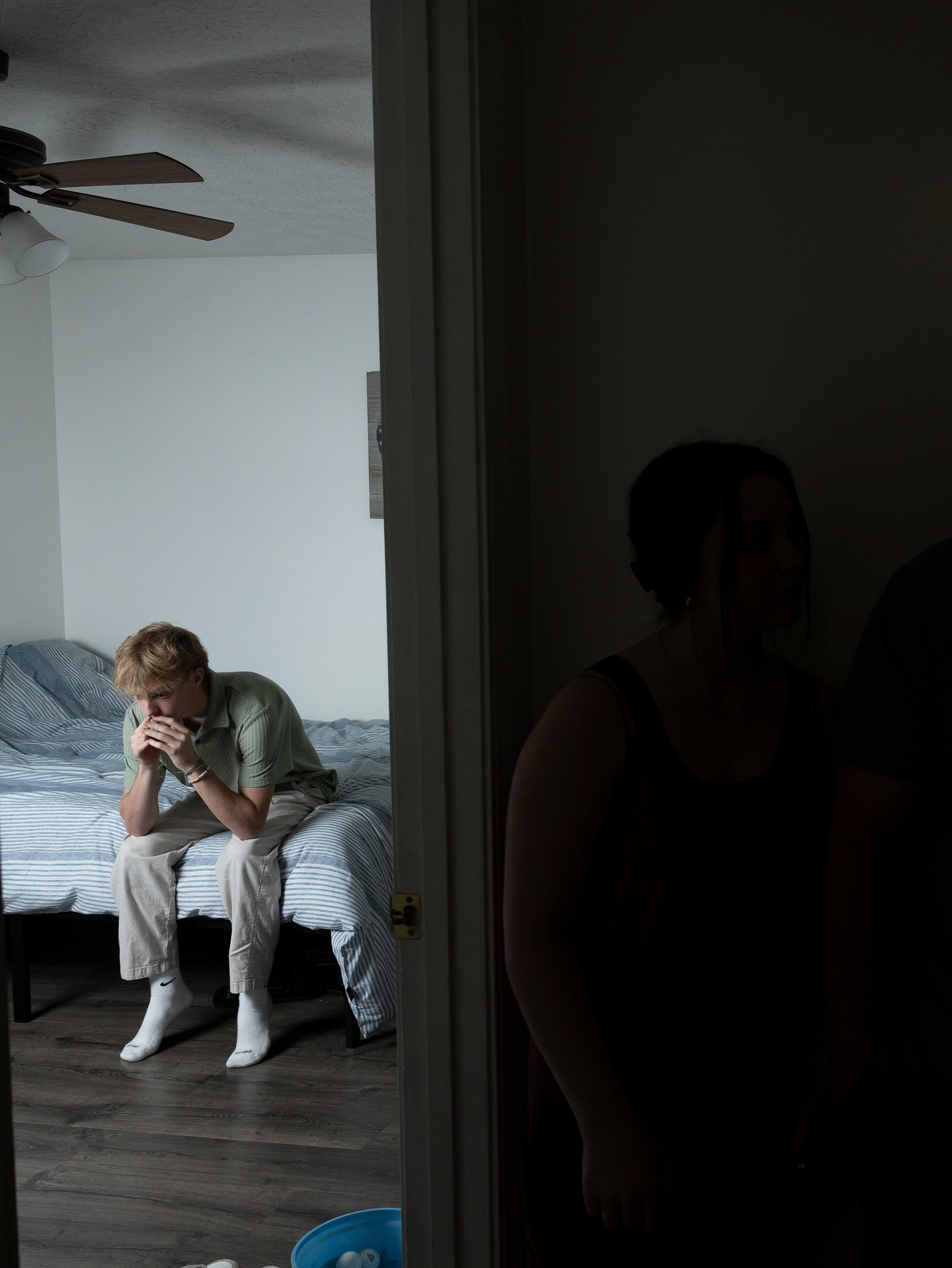
David said one of the hardest things for him about Ben is not experiencing the normal life others will live. He graduated from high school at 21 and never got a driver’s license. Ben does not have a significant other. Leisa said he could be in love with someone but they would not know. Leisa said their grandkids will be from their nephews.
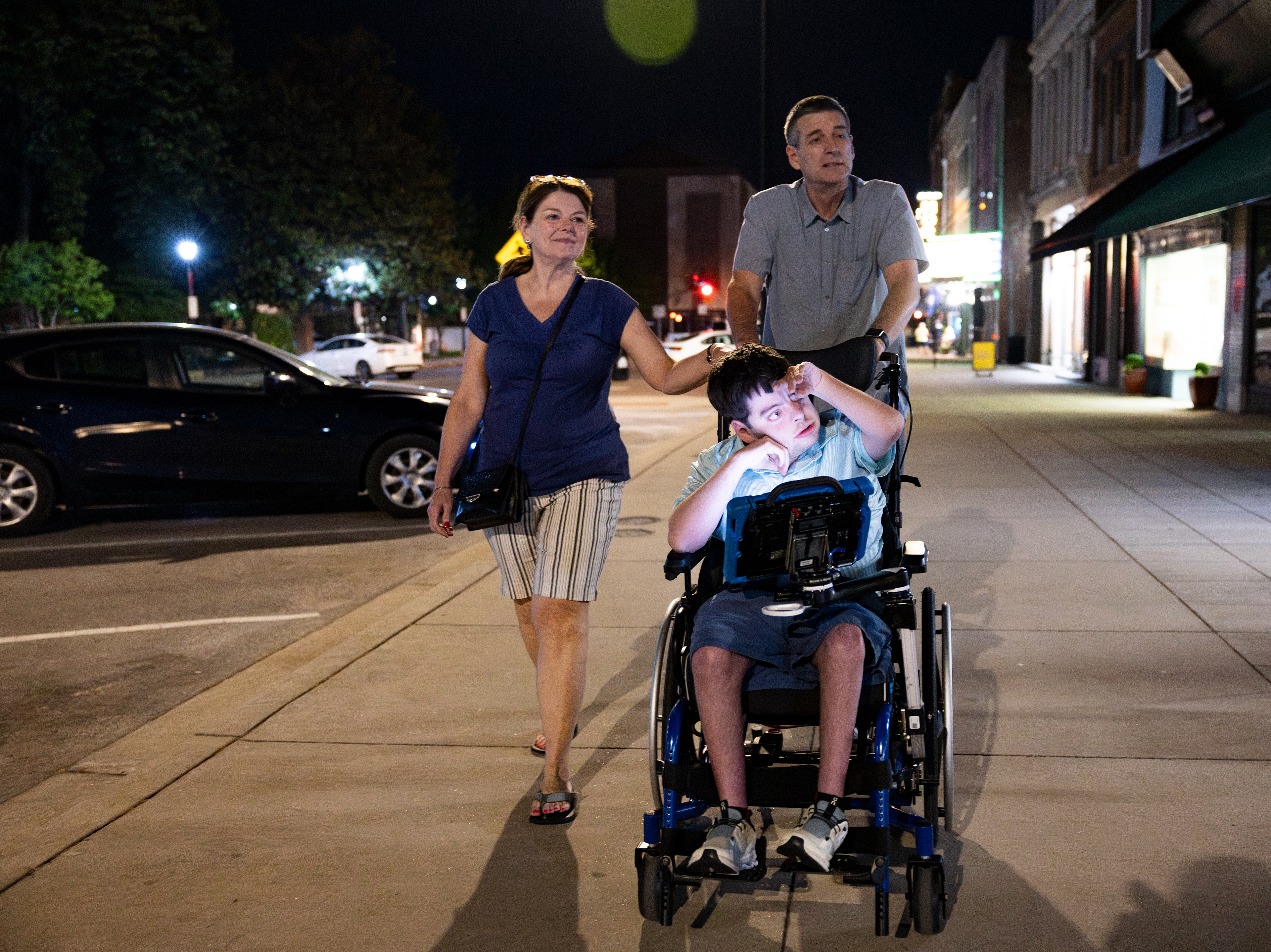
The Hutchisons walk back to their van after taking an ice cream trip to Meltdown ice cream. Ice cream trips are common for the Hutchisons, but Meltdown did not have any cookies left that Ben likes. Ben does not like the cold from the ice cream, so they normally get cookies for him to have instead.
David and Leisa get Ben involved with people in the community who can relate to his disability. Ben attends the HIVE and the Kelly Autism Program classes every week. The HIVE provides more social activities for people with disabilities. The Kelly Autism Program is more structured and helps train individuals with disabilities to communicate and learn better.
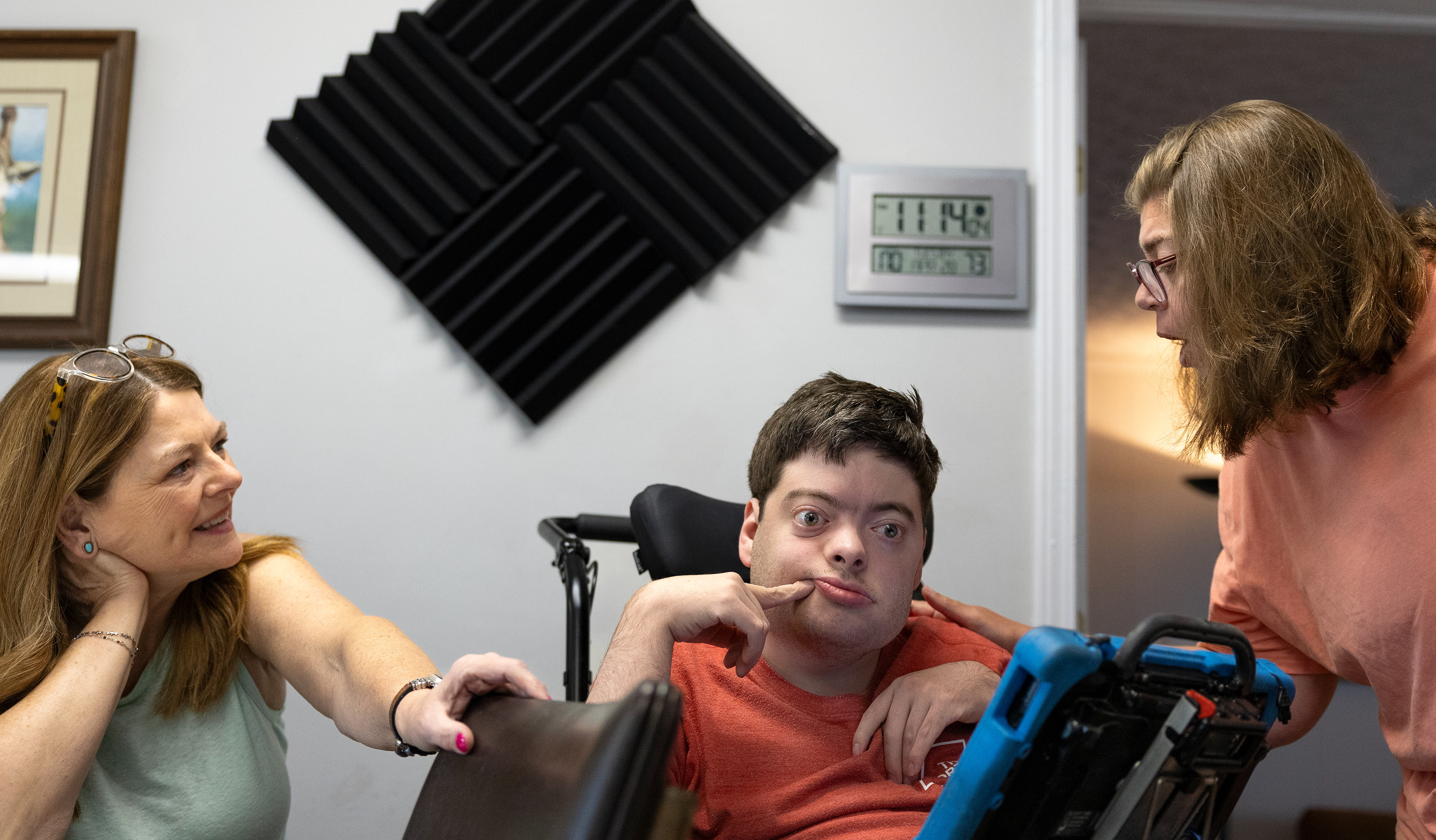
Genna Greer asked Ben if he was ready to go outside to take photos of different plants for an app the HIVE was talking about. Greer and Ben normally sit near each other at the HIVE. The HIVE is for adults with intellectual and developmental disabilities that provide classes for vocational training and social activities, according to their website. Ben attends the HIVE every Tuesday. Leisa said they bond with other families and people in a similar situation like theirs.“It’s a club you never thought you would be a part of,” Leisa said.

Leisa said they are unsure what is ahead for them. Ben and David do have an advisory team for Ben through the Michelle P. Waiver program to help him monetarily, but they don’t have the people. They said they hope their nephews could take on the role of caretaker if Leisa and David are no longer able to. Leisa said the day-to-day caregiving for Ben is the hardest for people to understand.
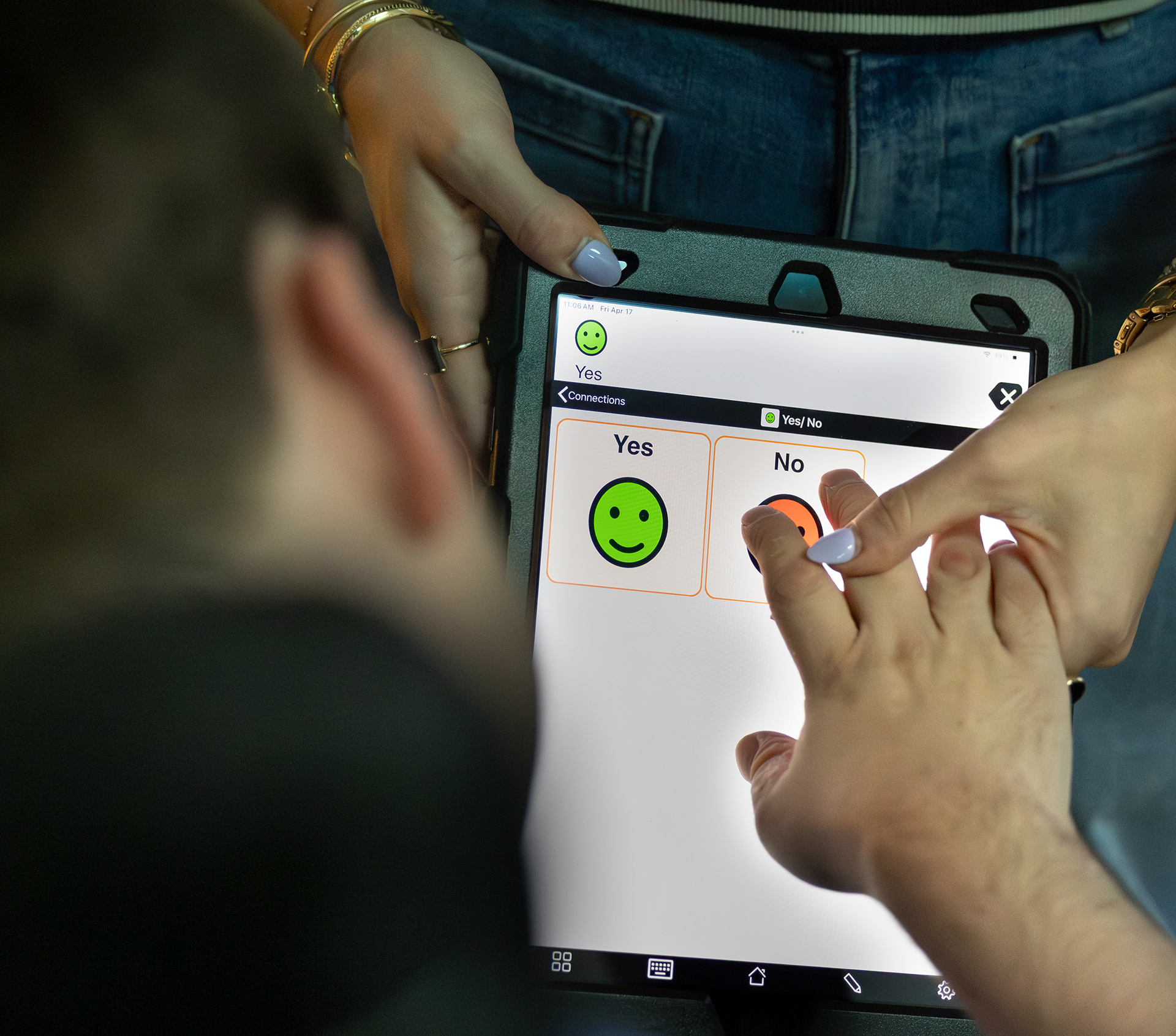
Regan Gregory asks Ben if he liked a space video she played during the Kelly Autism Program class at the Suzanne Vitale Clinical Education Complex. Gregory is a speech-language pathologist graduate assistant who led the class for the day. Ben can only use a device to communicate, and his device is in his wheelchair.

Leisa said they will have some young adults around his age help sometimes and do therapies, but they never stay long-term. They will continue to care for him as long as they can, despite the unknown.
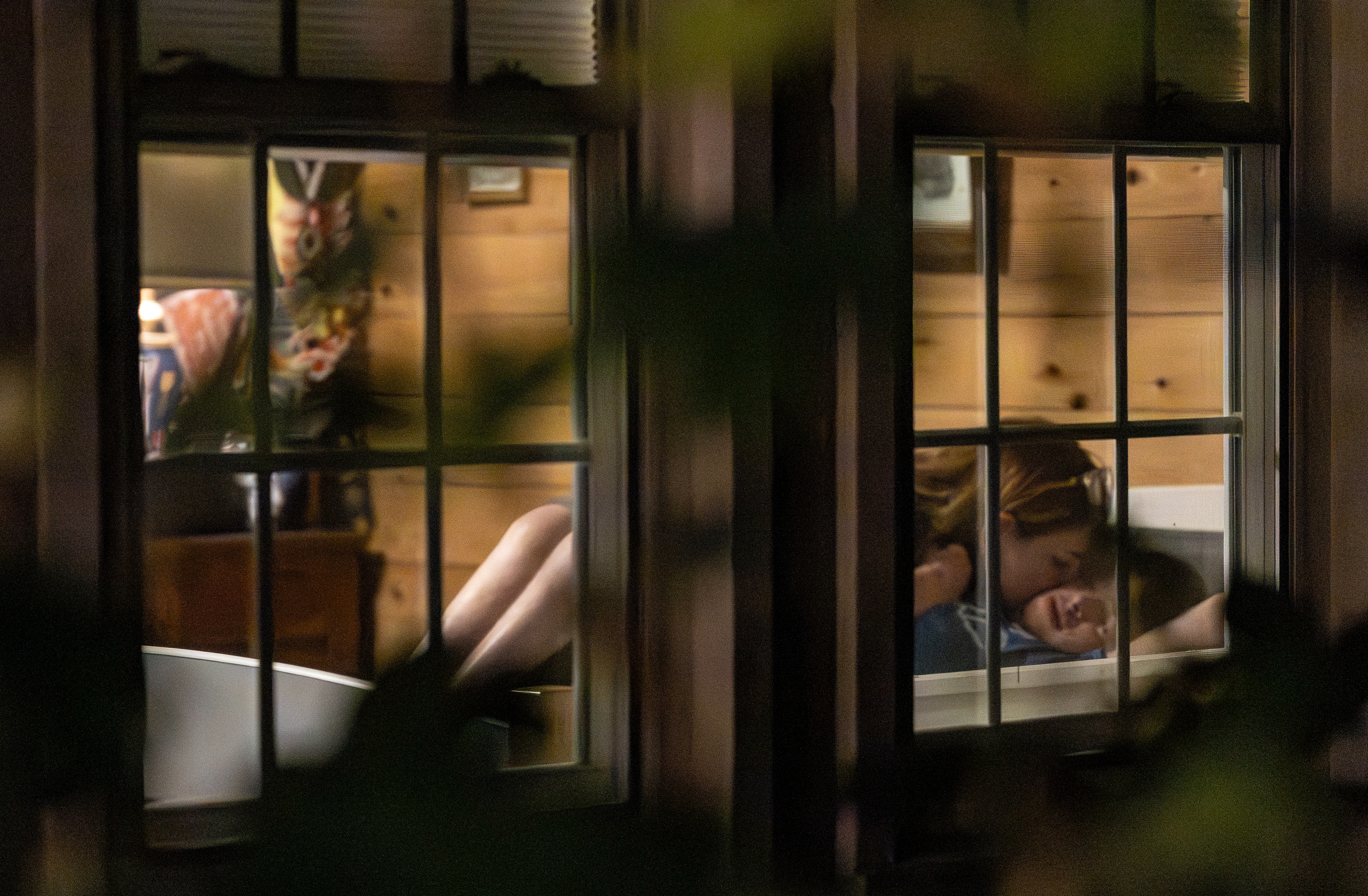
Leisa said they are unsure how the future will look as they grow older. They try to plan, but there is no one they know yet who will take on the role to care for him full-time. “He might not be so fortunate to have us, but we are so fortunate to have him,” Leisa said. “We love him.”